
How to Choose the Right Seal Width for Your Heat Sealing Machine
If you've ever bought a heat sealing machine that turned out to be the wrong fit, you know how frustrating it is. Maybe the seal was too narrow and kept failing under pressure. Or maybe you paid extra for a wide seal bar you never actually needed. Either way, the problem usually comes down to one overlooked detail: seal width.
7/3/20264 min read
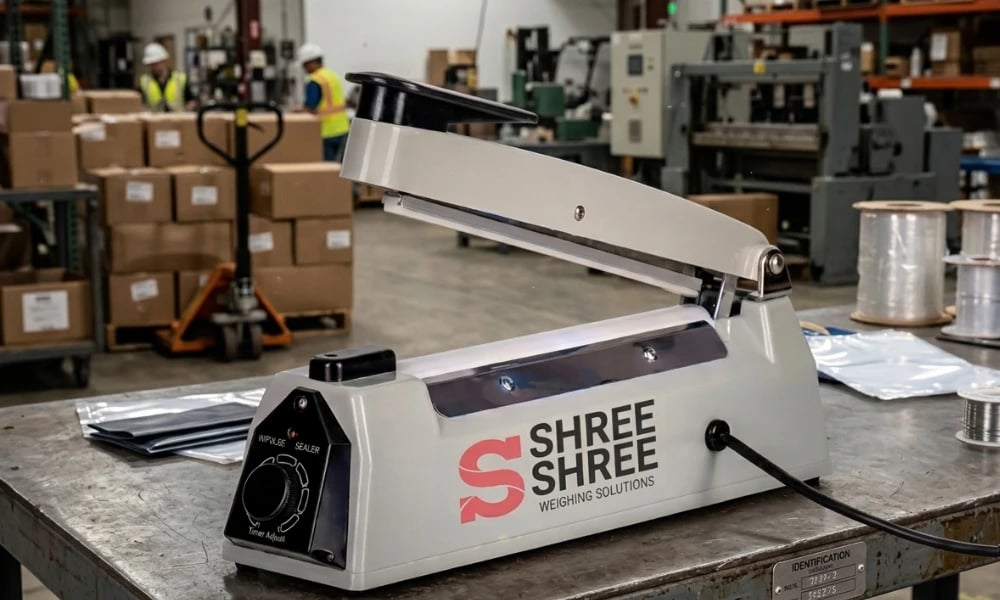
It sounds like a minor spec on paper. In practice, it's one of the decisions that determines whether your packaging holds up, how efficient your line runs, and how much money you waste on rework. This guide walks through what seal width actually means, why it matters, and how to pick the right one for your product and your machine.
What Does "Seal Width" Actually Mean?
Seal width refers to the size of the sealed band a heat sealing machine creates when it fuses two layers of film or bag material together. It's usually measured in millimeters, and you'll see it listed as a spec on almost every heat sealing machine, from small tabletop units to a full industrial heat sealing machine on a production line.
A narrow seal might be 2-3mm wide. A wider seal could run anywhere from 8mm up to 15mm or more, depending on the equipment. The width isn't just about looks it directly affects how strong and reliable the seal is.
Think of it like stitching a seam on fabric. A single thin line of stitching might hold for light use, but if the bag is going to be squeezed, stacked, or shipped across the country, you want a wider, more reinforced seam. Same logic applies to heat sealing.
Why Seal Width Matters More Than You'd Think
A lot of buyers assume seal width is just a cosmetic choice, or something to sort out later. That's usually a mistake. Here's why it deserves attention upfront.
It affects seal strength. A wider seal spreads the bond across more surface area, which generally makes it more resistant to tearing, punctures, and pressure. If you're packaging anything heavy, sharp-edged, or vacuum-sealed, this matters a lot.
It affects barrier protection. For food packaging or anything that needs to stay airtight or moisture-free, a wider seal reduces the chance of tiny gaps or weak spots where air or liquid can sneak through.
It affects material cost. Wider seals use more film per bag. That's a small cost per unit, but it adds up fast at high volumes. If your seal width is bigger than what your product actually needs, you're quietly overspending on materials every single day.
It affects machine compatibility. Not every heat sealing machine can handle every seal width. Some tabletop units are built for narrow seals only, while an industrial heat sealing machine often supports a wider range, or comes with interchangeable seal bars.
Step 1: Look at What You're Packaging
The starting point isn't the machine it's the product. Ask yourself a few practical questions:
How heavy is the item going into the bag?
Does it have sharp edges or hard corners that could stress the seal?
Will the package be vacuum-sealed, or just closed loosely?
Is it food, liquid, powder, or something solid?
Will it be shipped, stacked, or handled roughly?
A bag of soft cotton clothing doesn't put much stress on a seal. A vacuum-sealed bag of raw meat or a heavy industrial part is a completely different story. Heavier or sharper contents almost always call for a wider seal, simply because there's more strain on that bonded edge.
Step 2: Match Seal Width to Film Type
Different films behave differently under heat, and that changes how wide your seal needs to be to get a solid bond.
Thin, lightweight films like polyethylene often seal well with a narrower band because the material melts and fuses easily. Thicker or laminated films the kind used for vacuum bags, retort pouches, or multi-layer barrier packaging usually need a wider seal to get consistent heat penetration across the whole bond area.
If you're working with a laminated or multi-layer film and try to get away with a narrow seal, you might end up with a bag that looks sealed but fails under light pressure. That's a common mistake, and it's an easy one to avoid by simply matching the seal width to the film's thickness and structure.
Step 3: Consider Your Production Volume
This is where a lot of buyers get tripped up. A wider seal isn't automatically "better" it depends on your setup.
If you're running high volumes on an industrial heat sealing machine, a wider seal can actually improve consistency, since it gives the heating element more room to distribute heat evenly, even at faster line speeds. Speed and heat distribution work together here: faster cycles sometimes need a bit more seal width to compensate for shorter dwell time.
For smaller batches or manual operations, a narrower seal is often perfectly fine, and it saves material without sacrificing performance. There's no reason to size up if your production doesn't call for it.
Step 4: Think About Regulatory or Industry Standards
Some industries have specific requirements around seal integrity, especially food, pharmaceuticals, and medical packaging. If you're packaging products that fall under strict quality or safety standards, check whether there's a minimum seal width recommended for your material and application.
It's worth doing this check early. Redesigning your packaging process after failing an inspection or losing product to seal failure is far more expensive than getting the spec right from the start.
Step 5: Test Before You Commit
Even with all the right calculations, nothing beats a physical test. Most reputable suppliers will let you run sample seals on different width settings using your actual film and product.
During testing, check for:
Even, consistent seal color (uneven color often signals uneven heat)
No wrinkles, gaps, or thin spots along the seal
Seal strength under a drop test or squeeze test
Performance under real shipping or storage conditions, not just on a table
A five-minute test run can save you from a packaging failure months down the line, especially if your product travels through multiple handling points before it reaches the customer.
Common Mistakes to Avoid
A few patterns show up again and again when businesses choose the wrong seal width:
Going too narrow to save on film. This backfires quickly if seals start failing, since the cost of returns, reshipping, or damaged goods usually outweighs any material savings.
Assuming one width fits every product line. If your business packages multiple product types, you may genuinely need different seal widths, or a heat sealing machine with adjustable settings.
Ignoring the machine's limits. Not every unit can produce a wide, even seal reliably. Check your machine's specs before assuming it can handle a wider band without sacrificing quality.
Skipping real-world testing. Lab conditions and factory floor conditions aren't the same. Always validate under conditions close to how the product will actually be shipped and handled.
Choosing the right seal width isn't about picking the biggest number and calling it done. It's about matching the seal to your product, your film, your production speed, and any industry requirements you need to meet. A narrow seal can be perfectly reliable for light, low-stress packaging, while a wider seal earns its keep on heavier, vacuum-sealed, or high-volume applications.