
What Is a Price Computing Scale? How It Works & Why Your Business Needs One
Every business that sells products by weight faces the same quiet pressure: weigh it right, price it fast, and never leave a customer waiting or a transaction wrong. A price computing scale is built specifically for that job and if you're still doing the math by hand or relying on a basic postal scale, you're working harder than you need to.
6/25/20265 min read
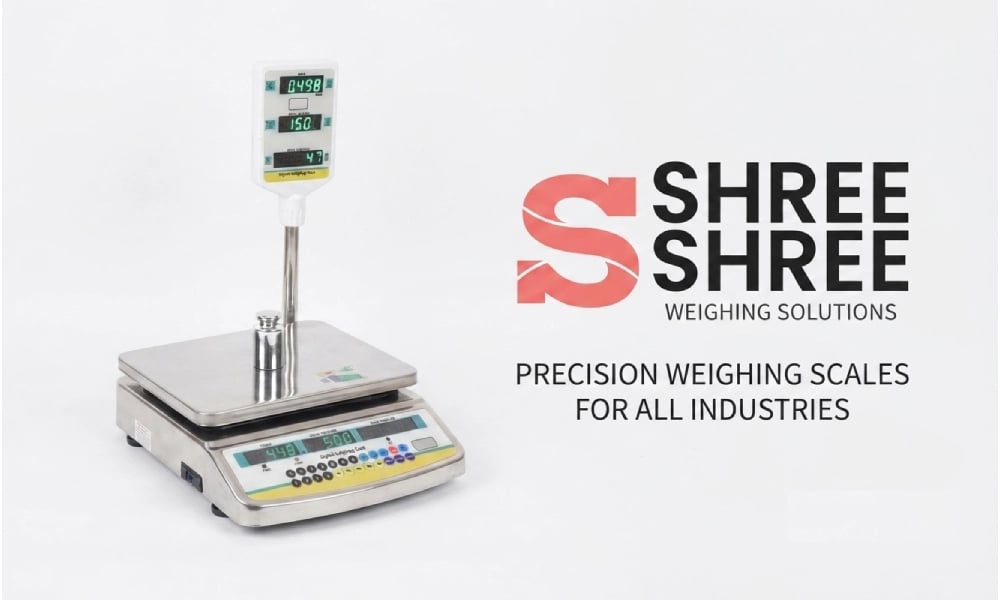
This post breaks down exactly what a price computing scale does, how it calculates pricing in real time, what separates a reliable unit from a cheap one, and which types of businesses genuinely benefit from having one on the counter.
What a Price Computing Scale Actually Does
A standard weighing scale gives you one output: a number in grams or kilograms. A price computing scale gives you three the weight, the unit price you've set, and the total cost to charge the customer. All three appear simultaneously on the display, usually within a second of placing the item on the platform.
The calculation is straightforward. You set a price per kilogram (or per pound, depending on your preference and local standards), place the product on the scale, and the unit does the multiplication instantly. No pen, no calculator, no second-guessing.
Most models also hold multiple PLU (Price Look-Up) codes in memory, which means you can pre-program the prices for different products. A fishmonger, for example, can store separate rates for salmon, cod, and prawns. Pressing the right button pulls up the correct price per kilo, so every transaction moves quickly even during busy periods.
How the Internal Calculation Works
The Core Formula
The math behind a price computing scale is fixed: Total Price = Weight × Price Per Unit. What the scale does is execute that formula with precision load cell technology, which converts the physical force of the item into an electrical signal, translates it to a weight reading, and applies the stored price rate all within milliseconds.
Load cells are the component that makes accuracy possible. A quality load cell maintains consistent readings even with repeated use, temperature changes, or slight platform vibration. Lower-cost scales often use inferior load cells that drift over time, which is why calibration frequency matters when you're evaluating models.
Tare Function and Its Role in Pricing
Almost every price computing scale includes a tare function. This zeroes out the weight of the container a bowl, a bag, a tray so you're only charging for the product itself. In a deli or cheese shop, this is not optional. Without it, customers pay for the weight of the packaging, which erodes trust and invites complaints.
The tare memory on better-quality units can store multiple container weights, which is useful when you're packaging the same product in different tray sizes throughout the day.
Key Features Worth Paying Attention To
Not every unit on the market is built for commercial use. Some are designed for light domestic work and will struggle under the demand of a retail or food service environment. When choosing a price computing scale for your business, these are the features that actually matter.
Display clarity on both sides. A dual-display model shows the weight and price to the operator on one side and the customer on the other. This transparency builds trust at the point of sale customers can see what they're being charged without asking.
Rechargeable battery option. If your setup involves market stalls, outdoor trading, or counters without a convenient power outlet, battery operation makes the scale genuinely portable. Most commercial-grade units offer both plug-in and battery modes.
Legal-for-trade certification. In most countries, any scale used to charge customers based on weight must meet specific legal standards (in the UK, for example, OIML or UKWI approval; in the US, NTEP certification). A scale without this certification cannot legally be used for trade, no matter how accurate it seems. Always check before purchasing.
Unit switching. The ability to toggle between kilograms, pounds, and ounces gives you flexibility if your product range or customer base spans different measurement preferences.
Thermal printer compatibility. Some price computing scales connect to label printers, letting you print a sticky label with the product name, weight, price per kilo, and total useful in supermarket deli counters, butcher shops, and anywhere pre-packaged items are sold.
Which Businesses Benefit Most
Butchers, Delis, and Fish Counters
These are the environments where a price computing scale earns its place most clearly. Products change daily, multiple items are sold at different rates, and speed matters when there's a queue. The PLU memory, fast response time, and tare function are all directly useful here.
Farmers' Markets and Greengrocers
Outdoor traders deal with variable conditions sunlight glare on the display, battery dependency, and the need to switch between different produce prices quickly. A compact, battery-powered price computing scale with a readable display handles all of this without drama.
Spice, Nut, and Bulk Food Retailers
When products are sold by weight from bulk bins, manual pricing creates too much room for inconsistency. A programmed unit with pre-set prices per kilo removes that variable entirely and speeds up serving time considerably.
Small Bakeries and Patisseries
Cakes, pastries, and specialty breads are sometimes sold by weight rather than fixed unit price. A scale that calculates cost on the spot prevents the awkward moment where staff have to disappear and calculate on their phone.
Postal and Courier Services
While the pricing model differs from food retail, the same core function applies weight goes in, cost comes out. Some postal businesses use dedicated mailing scales, but a price computing scale with adjustable rate programming can serve the same function at a lower cost.
Common Mistakes When Buying or Using One
Buying the cheapest unit available is the most common mistake, and it usually costs more in the long run. A scale that loses calibration quickly, displays inaccurate weights, or breaks down after a year of regular use creates more problems than it solves.
Skipping legal certification is another issue that catches businesses off guard. Trading standards inspections do happen, and an uncertified scale puts you at risk of fines or being required to stop using the equipment immediately.
Neglecting to calibrate regularly is subtler but equally damaging. Even good scales drift slightly with heavy use. Building a monthly calibration check into your routine using certified test weights keeps your readings accurate and your customers correctly charged.
Finally, not training staff on the PLU system means prices get entered manually every time, which slows down service and introduces errors. Taking an hour to programme the most common products into memory and showing staff how to recall them pays back immediately.
Choosing the Right Price Computing Scale for Your Setup
The right choice depends on three things: the volume of transactions you handle daily, the environment you're working in, and the weight capacity you need. A small farmers' market stall has very different requirements from a supermarket deli counter serving hundreds of customers a day.
For low-to-medium volume use, a unit with a 15kg capacity, dual display, tare memory, and basic PLU storage is usually sufficient. For high-volume environments, look for a model with faster response time, a larger PLU database, printer connectivity, and a robust stainless steel platform that can handle repeated loading.
Whatever you choose, treat it as a business-critical piece of equipment because it is. The price computing scale sits right at the point where your product meets your customer's money. Getting it right protects your revenue, your reputation, and your compliance.
The Real Value Is in What It Removes
The best argument for investing in a quality price computing scale isn't the features it adds it's the problems it removes. Miscalculations. Slow transactions. Customer disputes. Staff errors during peak hours. Compliance risk.
When your counter scale works properly, all of that disappears quietly into the background. Your staff can focus on serving customers, not checking their arithmetic. Your customers get a transparent, accurate transaction. And you get consistent, verifiable pricing across every sale.
If you're still pricing by weight with a calculator and a basic scale, it's time to see what the right equipment actually looks like in practice.