
Mastering Precision: How Top Personal Scale Manufacturer Shree Shree Weighing Solutions Guarantee Daily Accuracy
In a world obsessed with health and wellness, Personal scales have become indispensable tools for millions. Whether you're tracking weight loss progress, monitoring fitness gains, or simply keeping tabs on your overall well-being, the accuracy of these devices can make or break your goals. But how do leading manufacturers ensure that the numbers flashing on your bathroom scale are reliable day in and day out? It's not magic it's a blend of cutting-edge technology, rigorous engineering, and meticulous quality control.
1/13/20264 min read
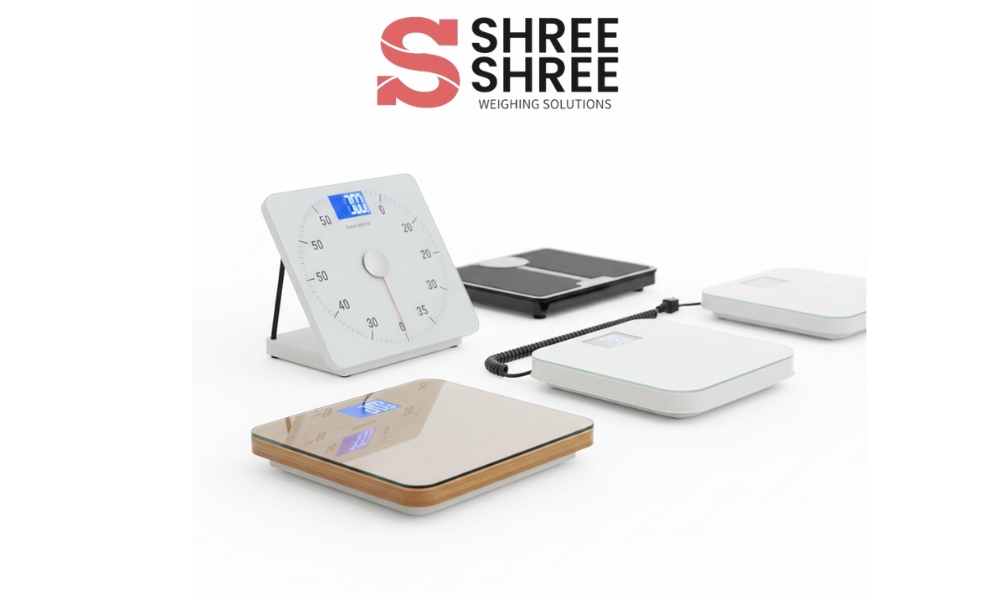
Leading manufacturers like Shree Shree Weighing Solutions prioritize accuracy through a meticulous blend of advanced engineering, innovative technology, and stringent quality assurance. As a pioneer in weighing solutions, Shree Shree Weighing Solutions exemplifies how precision is achieved, making their personal scales a go-to choice for consumers at Ahmedabad, Gujarat, India.
The Foundation: Why Accuracy Matters in Personal Scales
Before we explore the "how," let's consider the "why." Personal scales aren't just about vanity; they're vital for health management. Inaccurate readings can lead to misguided decisions, such as over- or underestimating calorie needs or misjudging progress in chronic conditions like diabetes or hypertension. For athletes, precise measurements ensure optimal training regimens, while for everyday users, they provide peace of mind.
Leading manufacturers recognize this responsibility. They adhere to international standards, such as those set by the International Organization for Standardization (ISO), which dictate tolerances for weighing accuracy. For instance, a high-quality scale might guarantee readings within 0.1 pounds or 0.05 kilograms, depending on the model. This precision is achieved through a combination of advanced materials, innovative designs, and relentless testing.
Precision Engineering: Building Scales That Last
At the heart of accuracy lies the design and construction of the scale itself. Top manufacturers use high-grade materials like tempered glass platforms and stainless steel frames to minimize flexing or warping under weight. This stability is crucial because even slight deformations can skew readings.
The core technology is the load cell a sensor that converts weight into an electrical signal. Leading brands employ strain gauge load cells, which are incredibly sensitive and durable. These cells are often arranged in a four-point configuration for even weight distribution, ensuring consistent results regardless of where you stand on the scale.
Calibration is another cornerstone. During manufacturing, each scale undergoes initial calibration against certified weights. This process involves applying known loads and adjusting the electronics to match exact measurements. Advanced models feature auto-calibration systems that self-correct over time, using built-in reference weights or software algorithms to maintain precision.
Technological Innovations Driving Accuracy
Technology has revolutionized personal scales, transforming them from simple weighing devices into smart health companions. Digital signal processing (DSP) chips filter out noise and interference, ensuring clean, accurate data. For instance, Bluetooth-enabled scales sync with apps to track trends over time, but accuracy starts with the hardware.
Body composition analysis adds another layer. Scales that measure body fat, muscle mass, and hydration use bioelectrical impedance analysis (BIA). Here, manufacturers ensure accuracy by calibrating the electrodes and algorithms against clinical standards. Leading firms collaborate with medical researchers to validate their formulas, accounting for variables like age, gender and body type.
Innovations like step-on technology eliminate the need for tapping to activate, reducing user error. Some scales incorporate motion sensors to detect when you're fully settled, preventing premature readings. In an era of smart homes, integration with Wi-Fi and AI allows for predictive maintenance, alerting users if calibration drifts.
Quality Control: The Unsung Hero of Accuracy
No matter how advanced the design, accuracy hinges on rigorous quality control. Manufacturers like Ohaus or Escali subject every scale to multi-stage testing. This includes environmental simulations exposing devices to temperature extremes, humidity, and vibrations to mimic real-world conditions. For example, a scale might be tested in a chamber mimicking a steamy bathroom or a chilly garage.
Statistical process control (SPC) ensures consistency across production lines. Batches are sampled and measured against benchmarks; any outliers are flagged and reworked. Final inspections involve weighing certified masses, often traceable to national standards like those from the National Institute of Standards and Technology (NIST).
User feedback plays a role too. Leading companies monitor reviews and conduct field tests, refining products based on real-world data. This iterative approach means that even budget models from reputable brands maintain high accuracy, as seen in the consistent performance of devices from Fitbit or Garmin.
Addressing User Factors and Maintenance
While manufacturers do their part, users also influence accuracy. Proper placement is key scales should sit on a flat, hard surface to avoid sinking into carpet. Manufacturers include user guides with tips, like weighing at the same time each day (e.g., morning, before eating) to account for natural fluctuations.
Maintenance is straightforward but essential. Cleaning the platform prevents residue buildup that could affect sensors. Batteries should be fresh, as low power can cause erratic readings. Some scales have self-diagnostic features that prompt recalibration, ensuring longevity.
Environmental factors like temperature changes can impact electronics, so manufacturers design scales with thermal compensation. For instance, if a scale warms up, internal sensors adjust automatically to maintain accuracy.
Challenges and Solutions in Achieving Accuracy
Despite best efforts, challenges persist. Manufacturing tolerances mean no scale is 100% perfect, but leading brands aim for minimal variance. Counterfeit products flood the market, so consumers should stick to certified manufacturers to avoid inaccurate knockoffs.
For specialized scales used in clinical settings, accuracy is even stricter, with tolerances as low as 0.02%.
Innovation continues to push boundaries. Emerging tech like 3D scanning for body shape analysis promises even greater precision, though it's still in development. Manufacturers are also exploring sustainable materials to reduce environmental impact without compromising quality.
Choosing the Right Scale: What to Look For
When shopping, prioritize brands with proven track records. Look for certifications, user ratings, and features like multiple load cells. Read specs for accuracy ratings aim for 0.1-pound increments and check for warranties that cover calibration.
Apps and connectivity add value, but remember, the core is accuracy. Test scales in-store if possible, or read independent reviews from sites like Consumer Reports.
Accuracy as a Commitment to Health
Leading personal scale manufacturers ensure everyday accuracy through a symphony of engineering, technology, and diligence. From robust load cells to relentless testing, their efforts empower users to make informed health decisions. In an age where data drives everything, a reliable scale is more than a gadget it's a trusted ally.
So, the next time you step on your scale, appreciate the craftsmanship behind it. If you're in the market for a new one, choose wisely and maintain it well. Your health journey deserves nothing less than precision.
Contact Shree Shree Weighing Solutions today to explore our range of accurate personal scales. Visit our Ahmedabad based location or call us at 9824027227 to learn more and place your order. Your journey to precise health tracking starts here don't wait, weigh in with confidence!