
How to Choose a Reliable Litre to KG Conversion Machine Manufacturer in India - A Complete Buyer's Guide
Every industrial buying decision carries risk. You commit budget, integrate equipment into your production process, and trust that the machine will perform as promised for years to come. When that equipment is a litre to kg conversion machine, the stakes feel even higher because you're depending on accurate measurements for formulation, billing, or regulatory compliance. The difference between a reliable manufacturer and a problematic one often comes down to knowing what questions to ask and what standards to evaluate against.
6/6/20264 min read
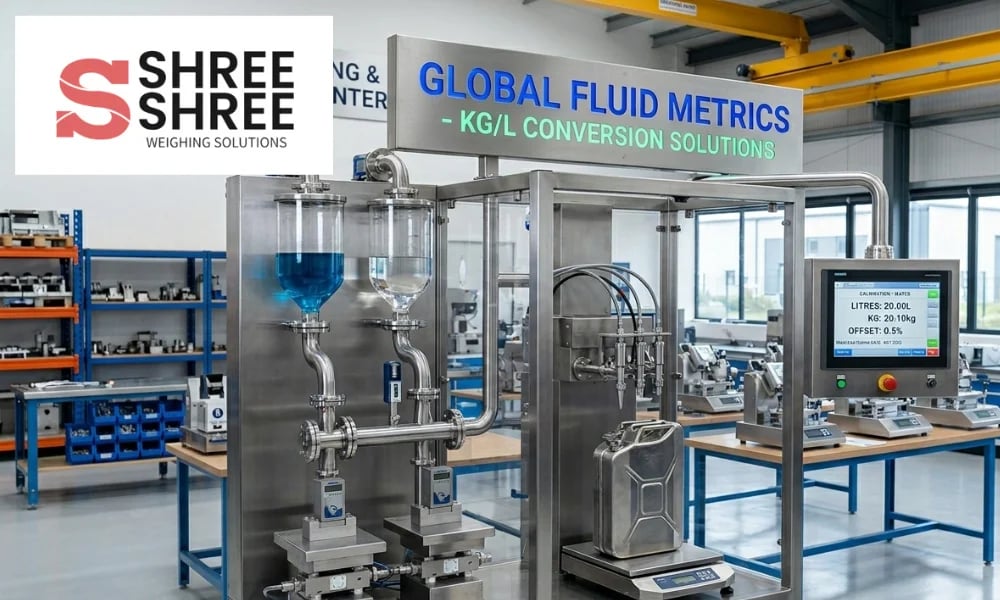
This guide walks you through the complete selection process, from understanding what these machines actually do to evaluating manufacturers based on criteria that matter for long-term operational success. Whether you're purchasing your first conversion system or replacing an underperforming unit, the framework here helps you make decisions with confidence.
Understanding Litre to KG Conversion Systems
These machines solve a fundamental industrial challenge: volume doesn't always equal mass. A thousand litres of water weighs differently than a thousand litres of diesel, and both differ dramatically from industrial chemicals, oils, or food products. Converting between litres and kilograms requires knowing the specific density of your product, and that density can change with temperature, composition, or batch variation.
A litre to kg conversion machine typically combines flow measurement with integrated density calculation. The flow meter measures volume passing through the system, while integrated sensors and algorithms calculate mass based on your product's density characteristics. The result appears on the display and can be exported to your control systems for recording or further processing.
What makes one machine better than another comes down to three factors. First, measurement accuracy across different products and conditions. Second, adaptability to products with varying densities or temperature sensitivity. Third, interface quality how easily the data integrates with your existing systems. These factors should guide your evaluation regardless of manufacturer marketing claims.
What Separates Quality Manufacturers from the Rest
The market contains manufacturers ranging from well-established industrial equipment producers to small operations that import components and assemble systems under their brand. Both can potentially serve your needs, but evaluating them requires different criteria.
Established manufacturers typically offer more comprehensive documentation, established service networks, and proven track records. They can provide reference customers, detailed technical specifications, and ongoing support. The trade-off sometimes involves higher pricing and longer lead times. Smaller manufacturers might offer more flexible customization and competitive pricing, but you need to verify their ability to support the equipment throughout its operational life.
When evaluating any manufacturer, start with their technical capability. Ask for detailed specifications of their measurement technology, sensor quality, and calculation algorithms. A quality manufacturer can explain not just what their machine does, but how it achieves those results. Vague responses about "high accuracy" without backing specifications should raise concerns.
Support infrastructure matters enormously. Your machine will eventually need service, calibration, or spare parts. A manufacturer without clear service procedures, trained technicians, or documented procedures leaves you vulnerable to extended downtime when problems occur. Ask specific questions about their support response times and documentation practices.
Key Evaluation Criteria for Your Selection Process
Technical specifications deserve careful attention. The accuracy claims matter most when you understand the conditions under which they apply. A machine claiming 0.5% accuracy might achieve that only under ideal conditions specific temperatures, specific flow rates, specific products. Ask manufacturers to clarify their accuracy specifications and what variables affect them.
Temperature compensation often determines real-world accuracy. Products expand and contract with temperature changes, meaning the same volume produces different masses at different temperatures. Quality systems include temperature compensation, but the sophistication varies. Ask how the system handles temperature variation and whether you need additional sensors for your specific environment.
Material compatibility deserves explicit discussion. Your product might interact with sensor materials, seals, or wetted surfaces in ways that affect measurement accuracy or system longevity. A manufacturer who asks about your specific product demonstrates understanding; one who assumes standard materials will work everywhere shows inexperience.
Interface capabilities determine how the machine integrates with your operations. Modern systems offer multiple communication options analog outputs, digital protocols, network connections. Your selection should match your existing infrastructure and future plans. A system with limited interface options might work today but create problems as your operations evolve.
Questions to Ask Before You Commit
Every manufacturer says they provide quality equipment. Your job is to verify those claims through specific questions and follow-up expectations.
Ask about their experience with your specific industry and application. A manufacturer who has supplied similar systems to companies like yours understands the real-world challenges you face. They can draw on installed base experience to anticipate potential issues and recommend appropriate configurations.
Request reference customers in your sector not just any references, but ones running similar applications. Speaking with companies facing similar challenges provides insight that specifications alone cannot convey. Ask about their experience with installation, ongoing accuracy, and service responsiveness.
Clarify their warranty and what it actually covers. Warranty language varies enormously some cover all defects, others exclude specific components or labor. Understand exactly what protection you receive before committing.
Discuss calibration requirements and procedures. Your system needs periodic calibration to maintain accuracy. Understand who performs this service, what's involved, what documentation you'll receive, and what it costs. This ongoing cost affects your total cost of ownership more than initial purchase price.
Making the Final Decision
After evaluating specifications, capabilities, and support structures, you need to make the decision that fits your specific situation. No single manufacturer is perfect for every application, and your selection should reflect your actual priorities.
Consider total cost of ownership, not just purchase price. A cheaper machine with higher ongoing calibration costs, limited support, or shorter operational life might cost more over five years than a premium system with lower maintenance requirements. Request complete cost information including installation, calibration, service, and expected component replacement.
Prioritize based on your operational priorities. If accuracy is paramount for regulatory reasons, accept fewer compromises there. If multiple product handling matters most, evaluate systems that handle changeover effectively. Your selection should reflect your specific hierarchy of needs.
Plan for the relationship, not just the transaction. Your manufacturer relationship extends years beyond initial purchase. A manufacturer who communicates clearly during sales discussions typically maintains that communication style for support. Pay attention to how they respond to your questions that indicates how they'll respond when you need help.
Taking the Next Step
Your weighing system sits at a critical intersection in pharmaceutical manufacturing where raw materials become medications that patients will trust with their health. That responsibility deserves serious attention to what equipment you select and how you operate it.
Evaluate your current and anticipated needs before approaching manufacturers. Understand your product characteristics, volume requirements, interface needs, and accuracy priorities. This preparation makes manufacturer conversations more productive and your final selection more appropriate.
Reach out to multiple manufacturers with specific questions about your application. Quality manufacturers welcome detailed discussions because they understand the value of fitting equipment to actual needs. Watch for those who provide thoughtful responses rather than generic brochures.
The right manufacturer relationship supports your operations for years. Make your selection based on technical capability, support infrastructure, and demonstrated understanding of your needs not just price or brand recognition. The investment in proper evaluation pays dividends throughout the equipment's operational life.