
Liter to Kg Conversion Machines for Milk Industry: How Shree Shree Weighing Solutions Improves Accuracy & Efficiency
In the bustling world of dairy processing, precision is not just a preference it's a necessity. Milk, as a perishable commodity, undergoes rigorous handling from farm to factory, where every liter counts toward profitability, compliance, and consumer trust. But milk isn't measured in liters alone; its weight in kilograms plays a crucial role in billing, inventory management, and quality assurance. This is where liter to kg conversion machines step in, transforming volumetric measurements into mass-based data with remarkable accuracy.
2/4/20265 min read
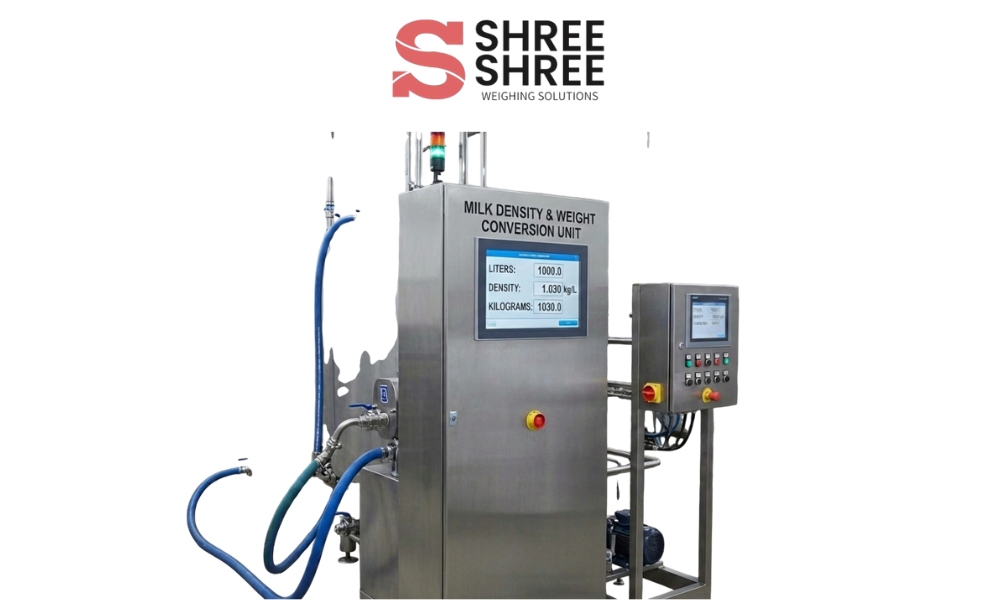
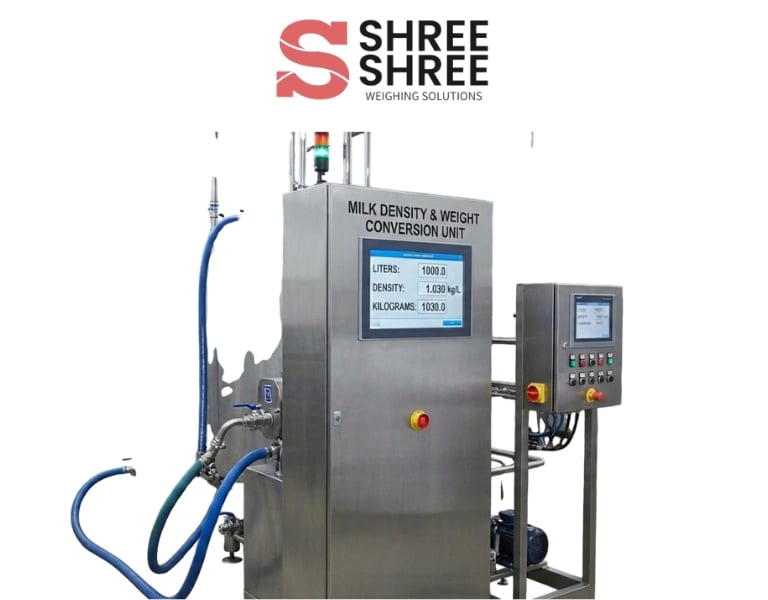
For the milk industry, these machines are game-changers, ensuring that fluctuations in milk density due to factors like temperature, fat content, and even seasonal variations don't lead to costly errors. In this comprehensive guide, we'll delve into the mechanics of these machines, their vital role in dairy operations, and how Shree Shree Weighing Solutions stands out by enhancing accuracy and efficiency. Whether you're a dairy farmer, processor, or distributor, understanding this technology can streamline your operations and boost your bottom line.
The Critical Role of Accurate Measurement in the Milk Industry
Milk is more than just a beverage; it's a complex emulsion of water, fats, proteins, and lactose, with properties that vary widely. Traditional volumetric measurements, like liters, are straightforward but fail to account for density changes. For instance, milk's density can range from 1.028 to 1.035 kg per liter, influenced by factors such as cow breed, feed quality, and environmental conditions. Inaccurate conversions can result in overbilling or underbilling, leading to financial losses, regulatory penalties, or strained supplier relationships.
In the milk industry, accurate measurement is paramount for several reasons. First, it ensures fair trade practices. Dairy cooperatives and processors rely on precise weights for payments to farmers, where even a slight discrepancy can affect livelihoods. Second, it supports quality control. Milk with higher fat content weighs more per liter, and failing to convert accurately might dilute standards or lead to inconsistent products. Third, compliance with food safety regulations demands traceability and precision, as agencies like the FDA or EU standards monitor every aspect of production.
Without proper tools, manual conversions based on average densities are prone to errors. Imagine a dairy plant processing thousands of liters daily small inaccuracies compound into significant waste or shortages. This is where liter to kg conversion machines shine, automating the process with sensors and algorithms that adjust for real-time variables. By integrating these machines, businesses can achieve up to 99% accuracy, reducing disputes and enhancing operational efficiency. As the industry evolves with increasing demand for organic and specialty milks, the need for reliable conversion technology becomes even more pressing.
How Liter to Kg Conversion Machines Work
At their core, liter to kg conversion machines are sophisticated weighing systems designed specifically for liquids like milk. They combine flow meters, load cells, and software to measure volume and convert it to weight instantaneously. The process begins with a flow meter that captures the volume of milk passing through a pipeline. This data is then fed into a conversion algorithm that factors in the milk's density.
Density isn't static; it fluctuates with temperature. Milk at 4°C (refrigeration temperature) has a different density than at 20°C. Advanced machines incorporate temperature sensors to adjust calculations in real-time. Additionally, some systems account for fat content using inline refractometers or ultrasonic sensors, providing a more nuanced conversion. For example, whole milk (with higher fat) might convert at 1.032 kg/L, while skim milk at 1.028 kg/L.
The software is the brains of the operation, often running on programmable logic controllers (PLCs) or cloud-based platforms. It applies formulas like the standard density equation: Weight = Volume × Density. But for precision, it uses empirical data from milk samples to refine conversions. These machines can handle high volumes up to 10,000 liters per hour making them ideal for large-scale dairy farms or processing plants.
Integration with existing systems is seamless; many machines connect via Ethernet or wireless networks to ERP software, logging data for audits and analytics. This not only ensures accuracy but also provides insights into milk quality trends, helping processors optimize their supply chains. In essence, these machines eliminate guesswork, turning a variable commodity into a measurable asset.
Challenges Without Proper Conversion Tools
The milk industry faces numerous hurdles without reliable liter to kg conversion. One major issue is variability in milk composition. Seasonal changes, such as cows producing richer milk in winter due to different diets, can skew densities. Manual methods, like using fixed conversion rates, often lead to errors of 2-5%, resulting in financial discrepancies. For instance, a farmer delivering 1,000 liters might be underpaid if the density is higher than assumed.
Another challenge is regulatory scrutiny. In regions like the European Union, milk transactions must adhere to strict weighing standards under directives like the Milk Quality Payment Scheme. Non-compliance can lead to fines or loss of certification. Moreover, in developing markets, where manual weighing is common, inefficiencies cause delays and increased labor costs.
Temperature fluctuations during transport exacerbate problems. Milk heated during pasteurization or cooled for storage changes density, and without sensors, conversions become inaccurate. This not only affects billing but also inventory management, where overstocking or shortages disrupt production. Waste is another concern; imprecise measurements can lead to rejected batches due to perceived inconsistencies.
For small-scale operations, the lack of automation means more human error and slower processes. In contrast, modern conversion machines mitigate these issues by providing consistent, traceable data. By adopting them, dairy businesses can avoid pitfalls, enhance transparency, and focus on core activities like innovation and sustainability.
Shree Shree Weighing Solutions: A Leader in Dairy Weighing Technology
Shree Shree Weighing Solutions has emerged as a trusted name in the weighing industry, specializing in solutions tailored for sectors like dairy. With years of experience, the company designs and manufactures liter to kg conversion machines that cater to the unique needs of milk processing. Their products are built with high-grade materials, ensuring durability in harsh environments like wet, cold dairy facilities.
What sets Shree Shree apart is their commitment to customization. They offer machines with varying capacities, from compact units for small farms to industrial-grade systems for mega-processors. Features include touch-screen interfaces for easy operation, data logging for compliance, and integration with IoT for remote monitoring. Their team of engineers provides on-site installation and training, ensuring seamless adoption.
Shree Shree's machines are compliant with international standards, such as ISO 9001, and undergo rigorous testing for accuracy. Customers rave about their reliability, with minimal downtime and long-term cost savings. By choosing Shree Shree, dairy businesses gain a partner invested in their success, offering ongoing support and upgrades.
How Shree Shree Weighing Solutions Improves Accuracy & Efficiency
Shree Shree Weighing Solutions excels in enhancing accuracy through advanced sensor technology. Their conversion machines use high-precision load cells that detect weight changes as small as 0.01 kg, coupled with ultrasonic flow meters for volume measurement. Real-time temperature compensation ensures conversions account for thermal variations, achieving accuracies of 0.1% or better. For milk with varying fat levels, optional sensors analyze composition on the fly, adjusting densities dynamically.
Efficiency is another hallmark. These machines automate the conversion process, reducing manual labor by up to 50%. In a typical dairy setup, operators can monitor multiple lines from a central console, with automated alerts for anomalies. This speeds up processing, allowing plants to handle higher volumes without bottlenecks. For example, a Shree Shree system can convert and log data for 5,000 liters in minutes, compared to hours with manual methods.
Moreover, Shree Shree's software includes predictive analytics, forecasting density trends based on historical data. This helps in proactive adjustments, minimizing waste and optimizing resource use. Energy-efficient designs also cut operational costs, with low-power sensors that don't require constant calibration.
Case studies from clients show tangible benefits: one dairy cooperative reported a 20% reduction in billing disputes and a 15% increase in throughput after installing Shree Shree machines. By improving accuracy, they ensure fair pricing and quality, while efficiency boosts productivity. In an industry where margins are tight, these improvements translate to significant ROI, often recouped within months.
Elevate Your Dairy Operations with Precision
In the competitive milk industry, liter to kg conversion machines are indispensable for maintaining accuracy and efficiency. They bridge the gap between volume and weight, addressing the inherent variability of milk while streamlining operations. Shree Shree Weighing Solutions stands out with innovative, reliable products that deliver unparalleled performance, helping businesses thrive in a demanding market.
Ready to transform your dairy weighing processes? Contact Shree Shree Weighing Solutions today for a free consultation and discover how our liter to kg conversion machines can boost your accuracy and efficiency. Visit our website or call us at +91 9824027227 to get started your path to smarter dairy management awaits!