
How to Calibrate a Platform Weighing Scale | Step-by-Step Guide
Learn how to calibrate a platform weighing scale with this comprehensive step-by-step guide. Perfect for business owners and technicians in India seeking accurate measurements.
5/29/20265 min read
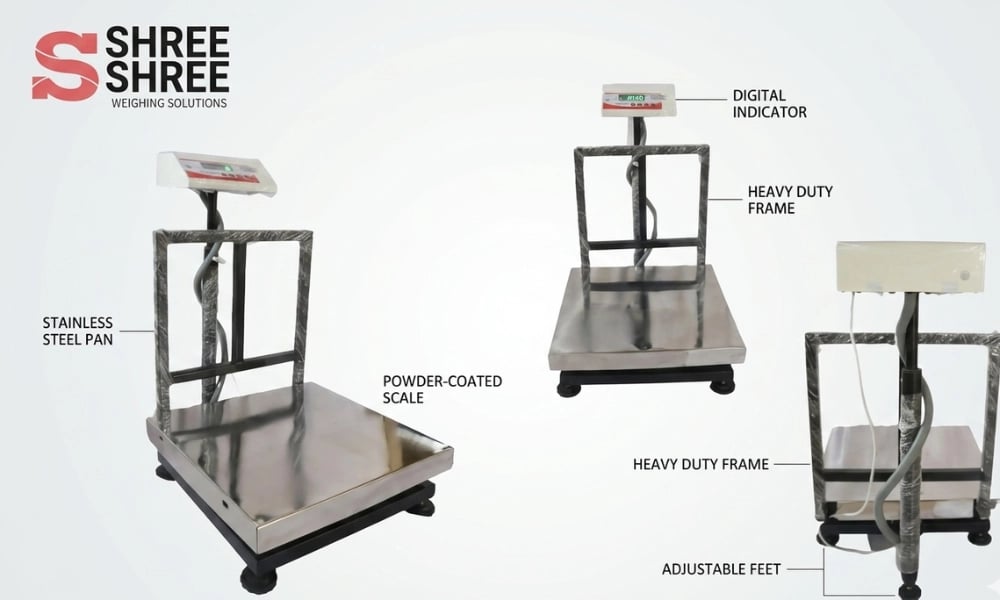
The good news? Calibrating a platform weighing scale isn't as complicated as it sounds. With basic tools and the right approach, you can restore your scale to factory accuracy in under an hour. In this guide, I'll walk you through every step, share practical tips from my experience working with Indian businesses, and help you understand when it's time to call in a professional or consider upgrading to a new unit from a trusted platform weighing scale manufacturer.
Understanding Your Platform Weighing Scale
Before we dive into the calibration process, it's important to understand what you're working with. Platform weighing scales come in various types digital and analog, with single or multiple load cells. Most commercial scales used in India operate on strain gauge load cell technology, where the weight causes measurable resistance changes in the sensor.
Common Types of Platform Weighing Scales
Floor-standing platform scales – These freestanding units work best for weighing heavy objects like crates, pallets, and machinery parts. They typically feature a large weighing platform and a separate indicator unit.
Pallet scales – Designed specifically for pallets, these often come with wheels for mobility and are popular in logistics and warehousing.
Portable platform scales – Lightweight and easy to move, these suit businesses that need flexibility in their weighing operations.2. Home Convenience
Industrial platform scales – Heavy-duty units built for continuous use in manufacturing and processing environments.
Understanding your specific scale model helps because calibration procedures can vary slightly between manufacturers. Always check your user manual first if you've lost it, search for the model number online or contact your platform weighing scale supplier for a digital copy.
Why Calibration Matters for Your Business
Financial Implications
Inaccurate scales directly impact your bottom line. Let's say you sell materials by weightif your scale reads light, you're giving away product. If it reads heavy, you're overcharging customers (which might violate weighing and measurement regulations in India). Both scenarios hurt your reputation and profitability.
Legal Compliance
In India, the Weights and Measures Act requires commercial scales to maintain specific accuracy standards. Using an un calibrated scale for trade can result in penalties, legal notices, or even license revocation. Regular calibration keeps you compliant.
Operational Efficiency
Accurate measurements streamline your operations. Inventory counts become reliable, shipping labels display correct weights, and production batches maintain consistent quality. The time you invest in calibration pays off in smoother daily operations.
Customer Trust
When your customers know they can rely on your weight measurements, they build trust in your business. This is especially important if you supply other businesses they depend on your accuracy for their own operations.
Step-by-Step Calibration Guide for Platform Weighing Scales
Step 1: Preparation and Safety
Before you begin, ensure the scale is turned off and unplugged. Clear the weighing platform completely. Check the environment avoid calibrating in areas with strong air currents, temperature fluctuations, or vibrations from nearby machinery.
Gather your calibration tools:
Certified test weights (ideally traceable to national standards)
A stable reference surface
Soft brush or cloth for cleaning
Your scale's user manual
Pro tip: If you don't have certified test weights, you can use known weights from your local metrology office or borrow calibration weights from a platform weighing scale supplier in your area.
Step 2: Visual Inspection
Examine your scale for any visible damage. Check the following:
Look for cracks or dents on the platform surface
Inspect the load cells (if accessible) for signs of damage or corrosion
Check all cables and connectors for wear
Ensure the display unit is clean and readable
Verify that the leveling bubbles (if equipped) are centered
If you notice significant damage, don't attempt calibration call a professional technician or consider replacement. Continuing with a damaged unit can give false readings and worsen the problem.
Step 3: Level the Scale
Most platform scales have adjustable feet or leveling indicators. Use a spirit level to ensure the scale is perfectly horizontal. An uneven surface causes inconsistent readings because gravity affects the load cells differently.
Turn the adjustable feet until the bubble centers in all directions. This simple step often resolves accuracy issues without any further calibration.
Step 4: Zero Calibration
Power on the scale and let it warm up for 10-15 minutes. This allows the electronic components to stabilize. Once ready, check if the display shows zero when the platform is empty.
If it shows a non-zero value, use the "Tare" or "Zero" function to reset to zero. Some scales have automatic zero tracking this feature adjusts for small weight changes due to environmental factors. Make sure it's enabled if your scale has this option.
For more accurate zeroing, access the calibration mode (usually through a combination of buttons or a hidden switch refer to your manual). Enter the zero calibration value as specified in the instructions.
Step 5: Span Calibration
Span calibration adjusts the scale's response to heavier weights. You'll need test weights that are at least 75-100% of your scale's maximum capacity for accurate span calibration.
Follow these steps:
Place the test weights on the platform center
Wait for the reading to stabilize
Enter the calibration mode
Input the actual weight value of your test weights
Confirm and save the calibration
The scale will now adjust its internal algorithms to match the known weights. Some digital scales automatically complete this process simply follow the on-screen prompts.
Step 6: Linearity Check
After span calibration, verify accuracy across the entire weight range. Test with weights at 25%, 50%, and 75% of maximum capacity. Record the readings and compare them to the actual test weights.
If readings deviate significantly at any point, you may need to repeat the span calibration or check for mechanical issues. Linear performance ensures your scale is accurate regardless of whether you're weighing light or heavy items.
Step 7: Repeatability Test
Perform multiple readings with the same test weight. Place the weight on, note the reading, remove it, and place it again. Do this at least five times. The readings should be consistent within the scale's tolerance specifications.
Variation beyond acceptable limits suggests instability in the load cells or electronic interference. Address these issues before putting the scale back into service.
Step 8: Documentation
Record your calibration results in a logbook or digital system. Include:
Date of calibration
Test weights used and their certified values
Before and after readings
Technician name (if serviced externally)
Any issues found or adjustments made
This documentation proves due diligence if authorities inspect your weighing equipment. It also helps you track calibration frequency and identify recurring problems.
How Often Should You Calibrate?
Calibration frequency depends on your scale usage and operating conditions:
High-volume commercial use: Monthly calibration
Moderate business operations: Quarterly calibration
Light occasional use: Semi-annual calibration
After any move, maintenance, or power surge: Immediately
If your scale is critical for legal metrology compliance in India, follow the guidelines set by the Department of Consumer Affairs or your local weights and measures office.
When to Call a Professional
Some situations require expert intervention:
Visible physical damage to load cells or structural components
Repeated calibration failures
Electronic display errors or malfunction
After accidental overload (sudden weight beyond capacity)
When internal calibration is inaccessible
Working with an experienced platform weighing scale supplier or manufacturer ensures you get genuine parts and proper service. Many reputable suppliers in India offer annual maintenance contracts worth considering if your business depends heavily on accurate weighing.
Calibrating your platform weighing scale is one of the simplest ways to protect your business from financial losses and legal complications. While it requires some time and attention, the process becomes straightforward once you understand your equipment and follow the proper steps.
Accuracy isn't optional in commercial operations it's essential. A well-calibrated scale builds customer trust, ensures regulatory compliance, and supports smooth daily operations. If you ever feel uncertain about the process, don't hesitate to consult a professional or reach out to your platform weighing scale manufacturer for guidance.
Your scale is an investment in your business's reputation. Treat it accordingly, and it'll serve you reliably for years to come.
Ready to calibrate? Gather your tools, follow this guide, and share your experience in the comments below. If you found this article helpful, pass it along to fellow business owners and technicians who might benefit.