
Animal Weight Machine Buying Guide 10 Things Every Farmer and Vet Must Check Before Purchasing
Buying equipment for your farm or veterinary practice is a decision that echoes through daily operations. When that equipment helps you track livestock health, calculate feed requirements, or monitor treatment effectiveness, the stakes feel even higher. An animal weight machine isn't just another purchase it's a tool that directly impacts animal welfare and your bottom line.
6/6/20266 min read
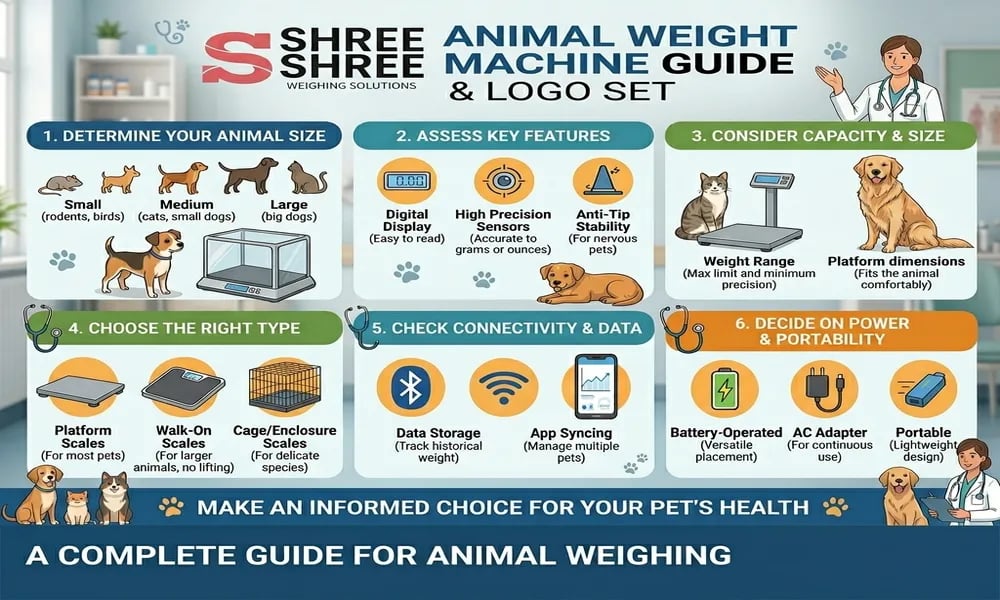
The problem is that the market offers far too many options, and not all machines deliver what their specifications Promise. Some break down within months. Others provide readings that fluctuate wildly, making them useless for tracking growth patterns or dosing medications. Knowing what to check before you commit saves you from expensive mistakes and operational frustrations.
This buyer's guide cuts through the marketing noise and focuses on what actually matters. Each point represents a real consideration that affects how well the machine serves your animals and your operations over years of use.
1. Understand Your Actual Weighing Needs First
Before looking at machines, clarify exactly what you're weighing. A cattle operation has vastly different requirements than a small dairy farm, and both differ from a veterinary clinic serving mixed animal populations.
The weight range matters most. A machine designed for large livestock might not provide accurate readings for smaller animals like sheep or goats. Conversely, a scale built for small animals won't handle the weight of mature cattle without damage or inaccuracy. Define your minimum and maximum weight requirements precisely.
Consider future needs alongside current requirements. If you're expanding your herd or adding different animal types, factor that into your selection. A machine that serves your needs today might become inadequate within a few years. Planning ahead prevents premature replacement.
Think about how often you'll use the machine. Daily weighing for a large herd demand different durability than monthly check-weighs for a small group. Usage frequency directly affects the build quality you need to prioritize.
2. Platform Size and Accessibility Matter More Than You Think
The physical dimensions of the weighing platform determine how easily animals step onto the scale and how accurate the readings become. A platform too small creates stress for animals and potentially inaccurate readings as they struggle to balance.
For cattle, platform length should allow the animal to stand comfortably without stepping off prematurely. Width should accommodate the animal's girth without constriction. Measure your largest animals and compare against manufacturer specifications before making decisions.
Accessibility features deserve attention, especially for larger animals. Ramps, non-slip surfaces, and gentle inclines reduce stress during weighing and improve cooperation from livestock. Animals that resist weighing create handling challenges and safety concerns for operators.
Consider your facility's layout. Door widths, alley configurations, and traffic flow patterns affect how easily you can move animals onto the platform. A machine that theoretically meets your needs might become impractical if it doesn't fit your existing infrastructure.
3. Accuracy Specifications Tell a Limited Story
Every manufacturer claims high accuracy, but understanding what those numbers actually mean for your operations requires digging deeper. The specification percentage might apply only under perfect laboratory conditions ideal temperature, calm animals, proper calibration conditions that rarely exist in real farm or clinic environments.
Ask manufacturers to specify accuracy under working conditions, not just optimal ones. A machine rated at 0.1% accuracy might actually perform at 0.5% when temperatures fluctuate, animals move during weighing, or the scale has been in use for months. The gap between rated and actual performance affects your ability to track growth patterns or dose medications accurately.
Resolution matters equally with accuracy. The smallest increment the display can show determines whether you can detect meaningful weight changes. If you're monitoring growth in young animals where each kilogram represents significant progress, you need a machine that displays fine enough increments.
Repeated accuracy deserves attention. Weighing the same animal multiple times should produce consistent results within your accuracy tolerance. Inconsistent readings make it impossible to track genuine weight changes versus measurement variations.
4. Durability and Build Quality Determine Longevity
Agricultural environments punish equipment. Moisture, dust, manure, and daily use all take tolls. The machine that looks impressive in a showroom might fall apart within a year when exposed to real farm conditions.
Construction materials reveal longevity expectations. Stainless steel components resist corrosion from moisture and cleaning chemicals better than painted steel. Sealed electronics compartments protect vital components from dust and accidental liquid exposure. Ask about IP ratings that indicate environmental protection levels.
Check the load cell specifications and warranties. The load cell the component that actually measures weight is the most critical and expensive part of the system. A manufacturer willing to provide meaningful load cell warranties demonstrates confidence in their equipment's durability.
Moving parts and mechanical components require similar scrutiny. Hinges, latches, and adjustment mechanisms experience continuous stress. Quality machines use proven designs and replaceable components rather than proprietary parts that require complete system replacement when failures occur.
5. Electronic Features That Actually Add Value
Modern animal weighing machines include various electronic capabilities. Some genuinely improve usability, while others create complexity that complicates operations without meaningful benefit.
Data recording and export functions matter for herd management. The ability to store weighing, associate them with individual animals, and export records to management software transforms raw weight data into actionable information. Without these capabilities, you're manually recording numbers and losing the ability to analyze trends.
Animal identification integration adds further value. Systems that connect with RFID tags or other identification methods automatically associate weights with specific animals, eliminating transcription errors and saving significant time in large operations.
Display quality affects daily usability. Bright, clear displays that remain readable in direct sunlight or low-light conditions matter more than manufacturers typically acknowledge. Squinting at dim screens during early morning or evening weighing creates frustration that compounds over time.
Remote connectivity options allow monitoring and data access from computers or mobile devices. For larger operations where multiple people need access to weight information, this capability prevents bottlenecks and improves coordination.
6. Power Requirements and Electrical Compatibility
Understanding power requirements prevents installation headaches and operational disruptions. Not all facilities have consistent electrical supply, and equipment designed for stable power might struggle in rural locations with voltage fluctuations.
Check voltage requirements carefully. Some machines require specific voltages that might not match your facility's electrical supply without additional equipment or modifications. Confirm compatibility before purchasing to avoid costly electrical upgrades.
Battery operation provides valuable flexibility for remote locations or situations where electrical supply is unreliable. Some machines offer both AC and battery power, automatically switching when needed. This capability matters particularly for portable applications or field work.
Power consumption affects ongoing operating costs. More features often mean higher power draw, which adds up over years of continuous operation. Balance capabilities against realistic energy costs for your situation.
7. Find a Manufacturer Who Supports What They Sell
The manufacturer behind the machine matters as much as the machine itself. A quality manufacturer provides ongoing support that affects your long-term satisfaction and operational continuity.
Technical support availability deserves direct inquiry. Ask how their support process works, what response times you can expect, and whether they provide support in your language and time zone. Poor support transforms small problems into major operational disruptions.
Spare parts availability ensures your machine can be repaired rather than replaced when issues arise. A manufacturer who stocks common components provides faster repairs than one who sources parts from distant locations for each service request.
Documentation quality indicates manufacturer professionalism. Clear user manuals, installation guides, and service documentation enable proper operation and maintenance. Manufacturers who provide comprehensive documentation typically build higher quality equipment.
Warranty terms reveal manufacturer confidence. Longer warranty periods with clear coverage terms demonstrate belief in equipment longevity. Pay attention to what the warranty actually covers some exclude labor, specific components, or shipping costs.
8. Locate a Supplier Who Understands Your Requirements
The supplier you purchase from influences your experience throughout ownership. A supplier who understands agricultural applications provides valuable guidance beyond initial sales.
Look for suppliers with demonstrated experience in your specific sector. A dairy farm has different needs than a beef operation, and both differ from a veterinary practice. Suppliers who've worked with operations similar to yours understand the real-world challenges you face.
Training and on boarding support differentiate suppliers. A supplier who provides thorough training on equipment operation and maintenance helps you maximize your investment from day one.
Long-term relationship potential matters for ongoing operations. Your needs will evolve, and a supplier who grows with you provides consistent support rather than requiring you to rebuild relationships with different companies.
9. Budget Considerations Beyond Initial Purchase Price
The cheapest machine often costs the most over its operational life. Understanding total cost of ownership prevents false economy decisions that create ongoing expenses.
Maintenance costs accumulate over time. Regular calibration, cleaning supplies, and component replacement all add up. Ask manufacturers and suppliers about expected maintenance costs and frequencies.
Service costs beyond warranty period matter for long-term planning. Understand labor rates, parts costs, and service call policies. A machine that costs less upfront might require expensive service calls that offset initial savings.
Operational costs including electricity or battery replacement affect ongoing budgets. Calculate realistic usage scenarios to understand true operational expenses.
10. See the Equipment in Operation Before Committing
Specifications and marketing materials cannot replace seeing equipment in actual use. Whenever possible, observe machines operating in similar environments to your own operations.
Request demonstrations from suppliers, ideally in conditions similar to your facility. Watching animals actually step onto the platform, observing display readability, and seeing data recording in action reveals practical considerations that specifications cannot capture.
Ask for reference customers willing to share their experiences. Speaking directly with operators who've used the equipment provides insights that sales materials cannot convey. Ask specifically about reliability, accuracy consistency over time, and supplier support quality.
Consider trial arrangements when full demonstrations aren't possible. Some suppliers offer trial periods that allow practical evaluation before commitment. This approach carries more risk but provides the best evidence of actual performance.
Moving Forward With Confidence
Your weighing equipment serves animals that depend on accurate health tracking and proper treatment dosing. Investing time in careful evaluation protects both your operations and the welfare of animals in your care.
The right animal weight machine works reliably for years, providing accurate data that supports better management decisions. The wrong purchase creates ongoing frustrations and potentially compromises animal care. The difference comes down to thoroughly evaluating your needs and the equipment options before committing.
The investment you make in proper evaluation pays dividends throughout the equipment's operational life. Your animals, your operations, and your bottom line will benefit from the extra effort.